Our Sun: The Cosmic Loner
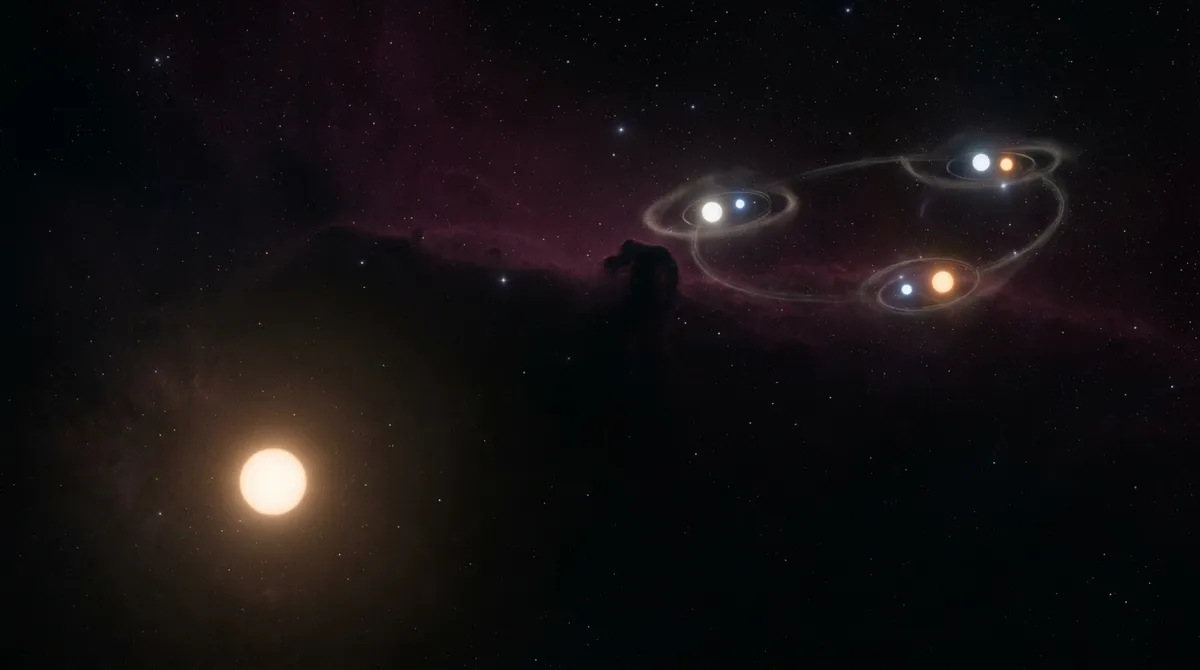
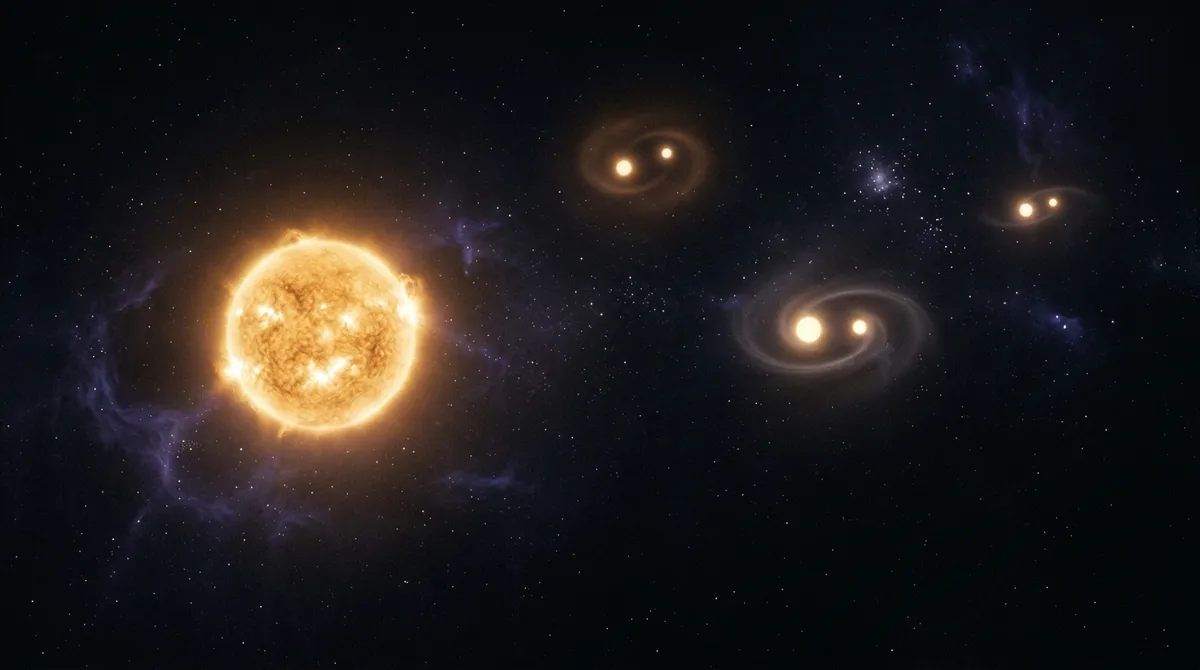
A groundbreaking new study published on arXiv has delivered a startling revelation about our cosmic neighborhood that challenges everything we thought we knew about stellar behavior. According to reports, our solitary sun stands as an anomaly in a universe where stellar companionship is the overwhelming norm.
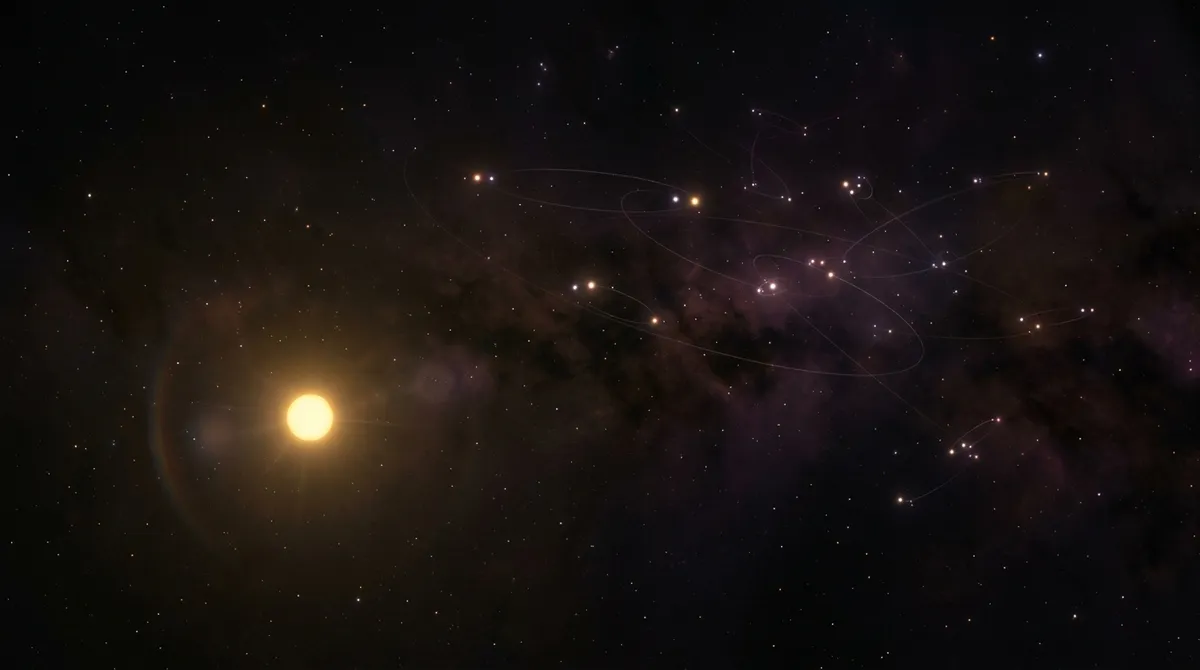
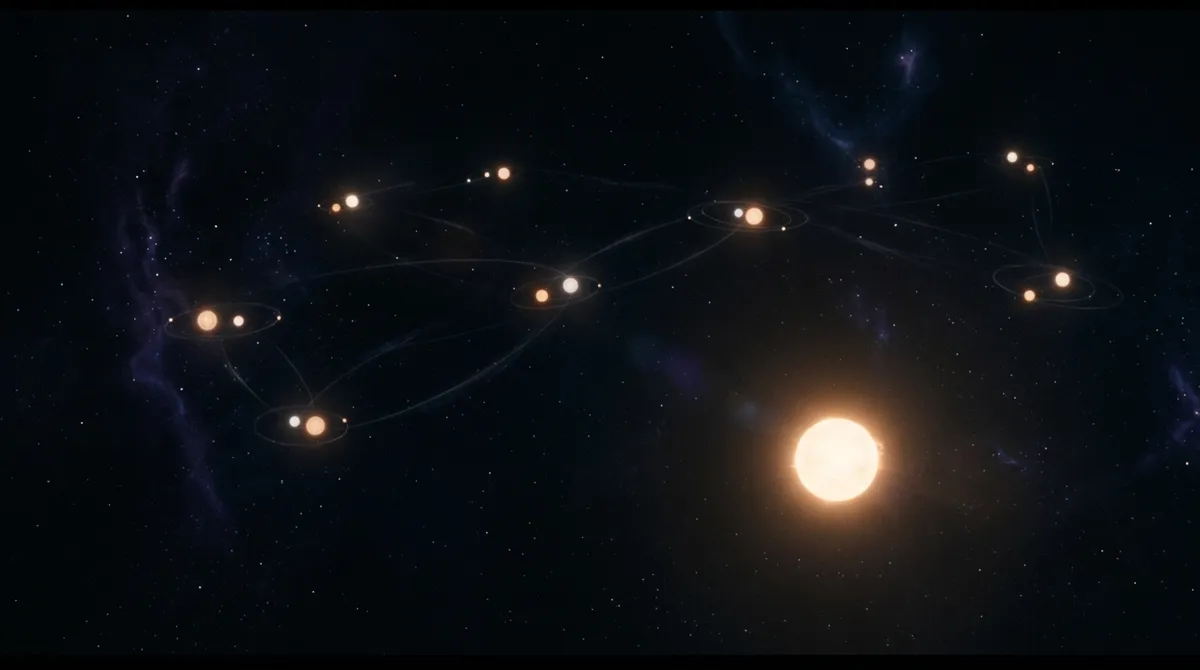
The comprehensive census, which catalogued 424 stellar and sub-stellar objects within 10 parsecs of Earth, identified 92 bound multi-star systems. The findings paint a picture of our solar system as distinctly unusual—a lone wolf in a galaxy of cosmic partnerships.
The Mass Mystery: Why Big Stars Travel in Packs
The study's most intriguing discovery reveals a clear pattern in stellar behavior that defies simple explanation. According to reports, higher-mass stars demonstrate a remarkable tendency to have companions, essentially "traveling in packs" through the cosmos. Meanwhile, low-mass red dwarfs and brown dwarfs typically maintain their solitary existence.
This mass-dependent companionship pattern suggests fundamental forces at work during stellar formation that remain poorly understood. The data indicates that our sun, as a medium-mass star without companions, occupies an unusual position in the cosmic hierarchy.
Binary Stars: The Hidden Saboteurs of Planet Hunting
The implications of this stellar census extend far beyond academic curiosity. According to reports, binary star systems pose significant challenges for the search for Earth-like planets, potentially sabotaging detection efforts through gravitational interference and observational complications.
Next-generation exoplanet missions, including NASA's ambitious Habitable Worlds Observatory and ESA's LIFE mission, require precise target lists to maximize their effectiveness. The presence of hidden stellar companions can render observation time worthless, making this comprehensive mapping of local star relationships crucial for future alien world searches.
The Strange Reality of Cosmic Partnerships
The study reveals the bizarre nature of stellar relationships that span incomprehensible timescales. According to reports, some star pairs maintain their gravitational dance while orbiting each other over millions of years, locked in cosmic partnerships that dwarf human comprehension.
These extended orbital periods suggest that stellar companions can remain bound across distances that challenge our understanding of gravitational influence. The sheer scale of these relationships raises questions about the fundamental forces governing stellar formation and evolution.
Implications for the Search for Alien Earths
The census provides critical intelligence for humanity's quest to locate potentially habitable worlds. According to reports, the study helps scientists identify which local stars are truly single, paired, or part of complex multi-star systems—information essential for targeting the most promising candidates for Earth-like planet searches.
The data suggests that our sun's solitary status may have played a crucial role in enabling stable planetary formation and the development of complex life. Binary and multiple star systems create gravitational chaos that could disrupt the delicate orbital mechanics necessary for maintaining liquid water and stable climates.
A New Perspective on Cosmic Norms
This definitive census forces a dramatic reassessment of what constitutes "normal" in our stellar neighborhood. According to reports, the prevalence of multiple star systems within 10 parsecs suggests that stellar companionship represents the cosmic standard, making our sun's isolated existence increasingly mysterious.
The findings raise profound questions about the conditions that led to our solar system's unique configuration. Was our sun's solitary nature a random occurrence, or did specific circumstances during its formation prevent the acquisition of stellar companions?
The Future of Stellar Archaeology
As next-generation telescopes prepare to scrutinize nearby star systems with unprecedented precision, this comprehensive mapping provides the foundation for targeted investigations. According to reports, clean target lists derived from this census will prevent mission planners from wasting precious observation time on stars with hidden companions.
The study represents a crucial step in stellar archaeology—the systematic investigation of our cosmic neighborhood to understand the conditions that shaped our unique solar system. As we prepare to search for alien Earths among the stars, this census reminds us that our sun's solitary journey through space may be the very anomaly that made life on Earth possible.