A Cosmic Census Reveals Our Sun's Strange Solitude
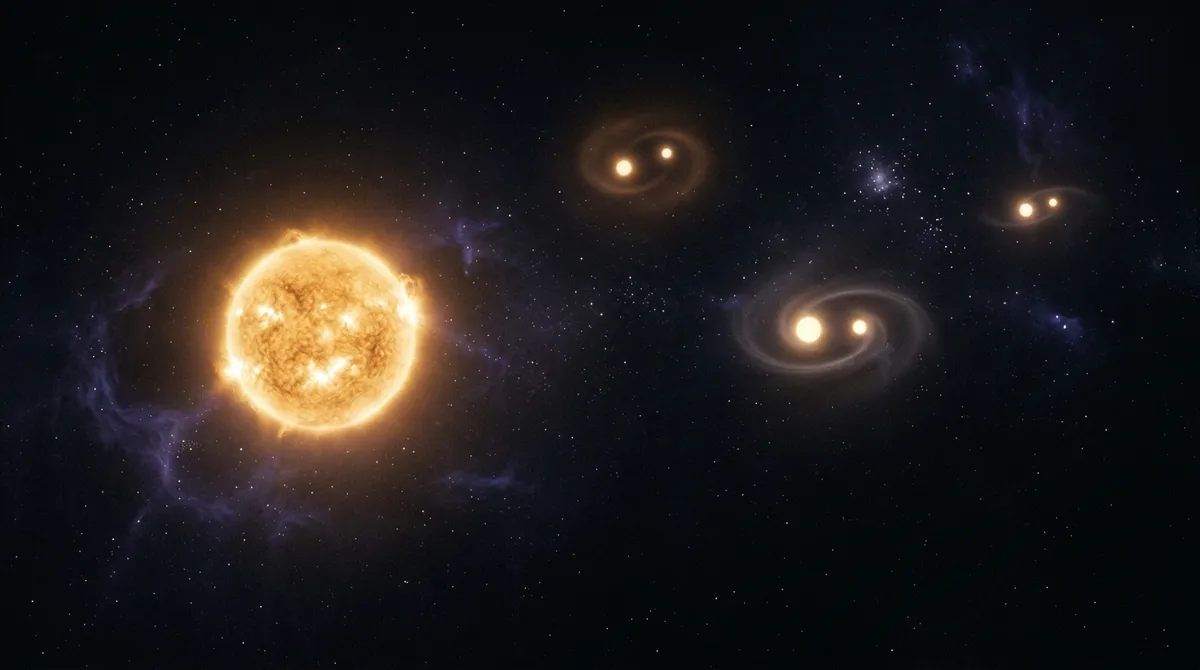
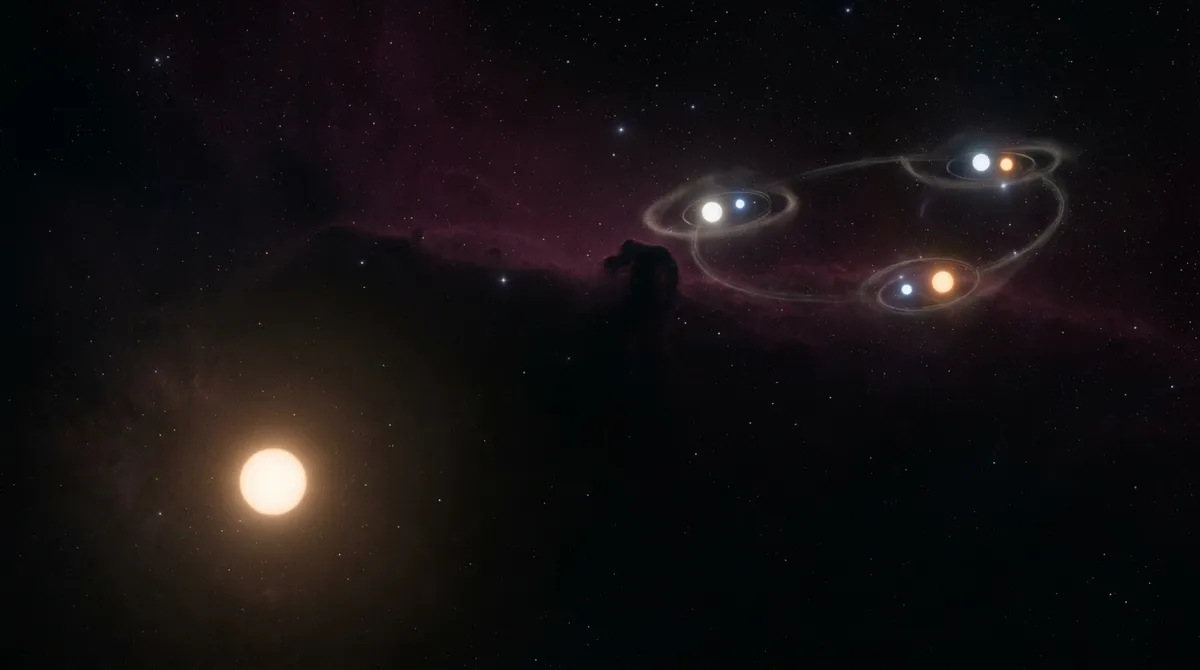
While our sun drifts alone through space, new research suggests it's living the life of a cosmic hermit. According to a groundbreaking study published on arXiv, most stars in our immediate galactic neighborhood actually travel with stellar companions—making our solitary sun something of an oddball.
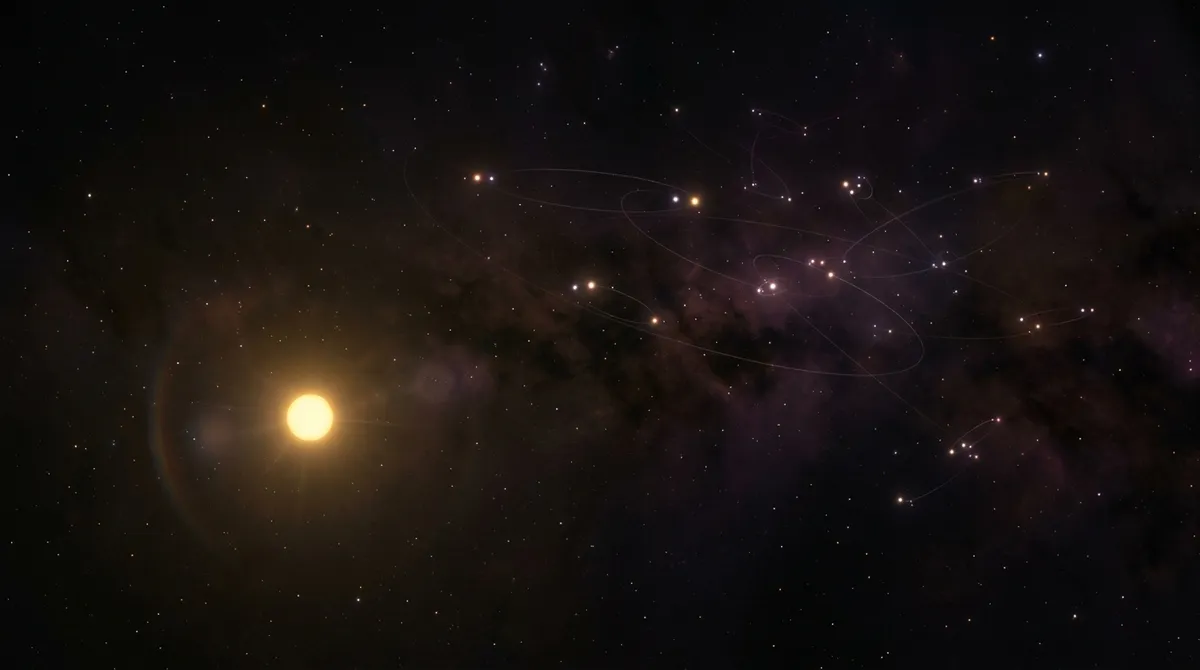
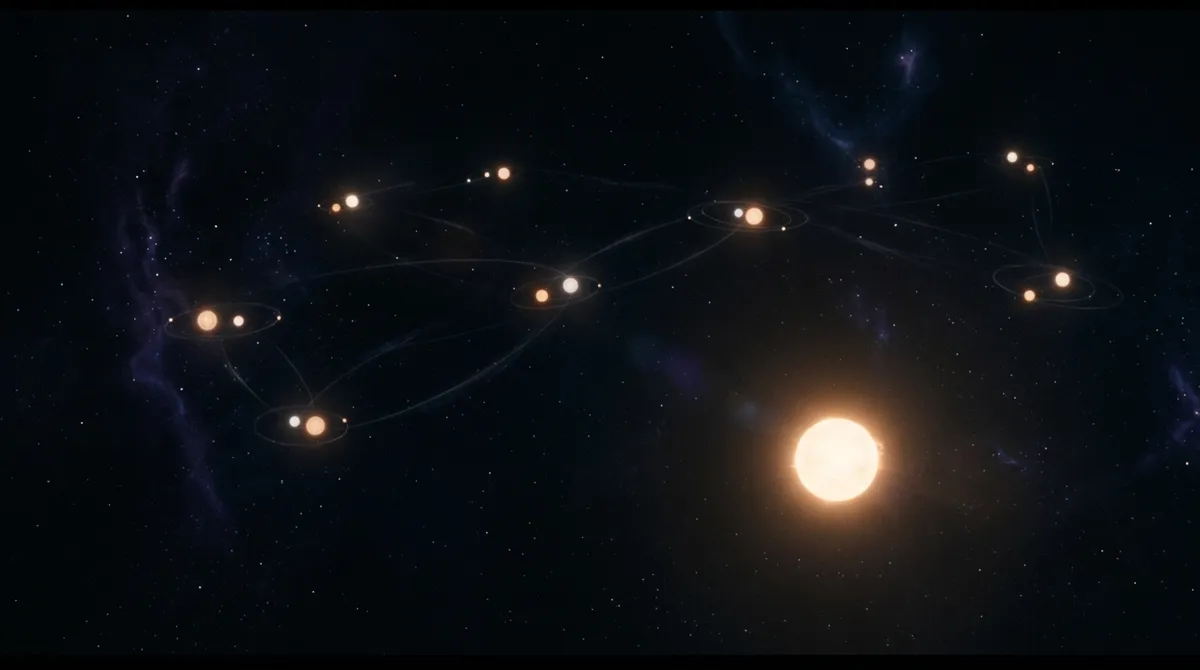
The comprehensive census examined 424 stellar and sub-stellar objects within 10 parsecs of Earth, identifying 92 bound multi-star systems. The findings paint a picture of a universe where stellar companionship is the norm, not the exception.
The Hierarchy of Stellar Sociability
According to reports, the study revealed a striking pattern: higher-mass stars are far more likely to have companions, while low-mass red and brown dwarfs typically remain solitary. This cosmic social structure suggests that massive stars "travel in packs" while their smaller cousins prefer the single life.
The implications extend far beyond stellar sociology. These companion relationships can span incredible distances and timeframes, with some star pairs reportedly orbiting each other over millions of years. Such vast cosmic dances have remained hidden from casual observation, requiring sophisticated detection methods to map these gravitational partnerships.
Why This Matters for the Hunt for Alien Worlds
The timing of this census couldn't be more crucial for humanity's search for extraterrestrial life. Next-generation exoplanet missions, including NASA's planned Habitable Worlds Observatory and ESA's LIFE mission, face a critical challenge: binary stars can sabotage planet searches by creating false signals or masking genuine planetary signatures.
According to reports, these upcoming missions need clean target lists to avoid wasting precious observation time on stars with hidden companions. The new census provides exactly this—a roadmap of which local stars are truly single, paired, or part of complex multi-star systems.
The Binary Star Problem
Binary stars present a particular headache for astronomers hunting Earth-like planets. When two stars orbit each other, their gravitational dance can mimic the subtle wobbles that indicate an orbiting planet. This cosmic masquerade has the potential to send expensive space-based telescopes chasing phantom worlds that don't exist.
Moreover, the presence of a stellar companion can dramatically affect any planets that do exist in such systems. The complex gravitational interplay can destabilize planetary orbits, potentially rendering worlds uninhabitable or ejecting them from their systems entirely.
Mapping Our Galactic Neighborhood
The study's focus on the 10-parsec radius around our solar system—roughly 33 light-years—represents humanity's immediate cosmic neighborhood. This region contains the stars most accessible to detailed study and the prime targets for future direct imaging of exoplanets.
By creating what researchers describe as a "near-complete census," the study helps astronomers understand the true architecture of our local stellar environment. This knowledge proves essential for planning observation strategies that maximize the chances of detecting genuine Earth-analogs.
The Lonely Sun Hypothesis
Our sun's solitary nature becomes even more intriguing when viewed against this backdrop of stellar companionship. According to reports, this isolation may have played a crucial role in allowing our solar system to develop stable, long-term planetary orbits—including the Earth's orbit that has remained within the habitable zone for billions of years.
The absence of a stellar companion may have been a prerequisite for complex life to evolve on our planet. Binary systems often create chaotic gravitational environments that could prevent the formation of stable, life-supporting worlds.
Looking Forward: The Search Continues
As astronomers prepare for the next generation of planet-hunting missions, this stellar census provides an essential foundation. The strange reality of our solitary sun—once thought typical—now appears to be a cosmic rarity that may have enabled the very existence of life on Earth.
The hunt for alien Earths continues, but now armed with a clearer understanding of which stars offer the best prospects for harboring worlds like our own. In the vast cosmic dance of stellar companions, our sun's lonely journey through space may be exactly what made our existence possible.