The Cosmic Census That Changes Everything
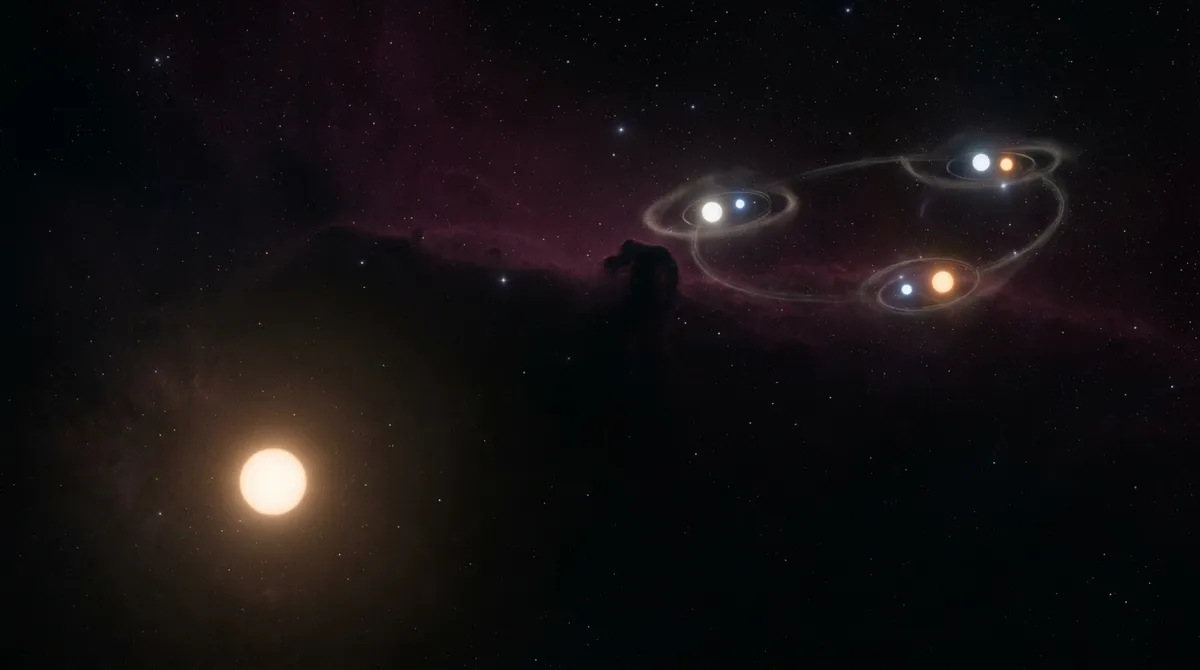
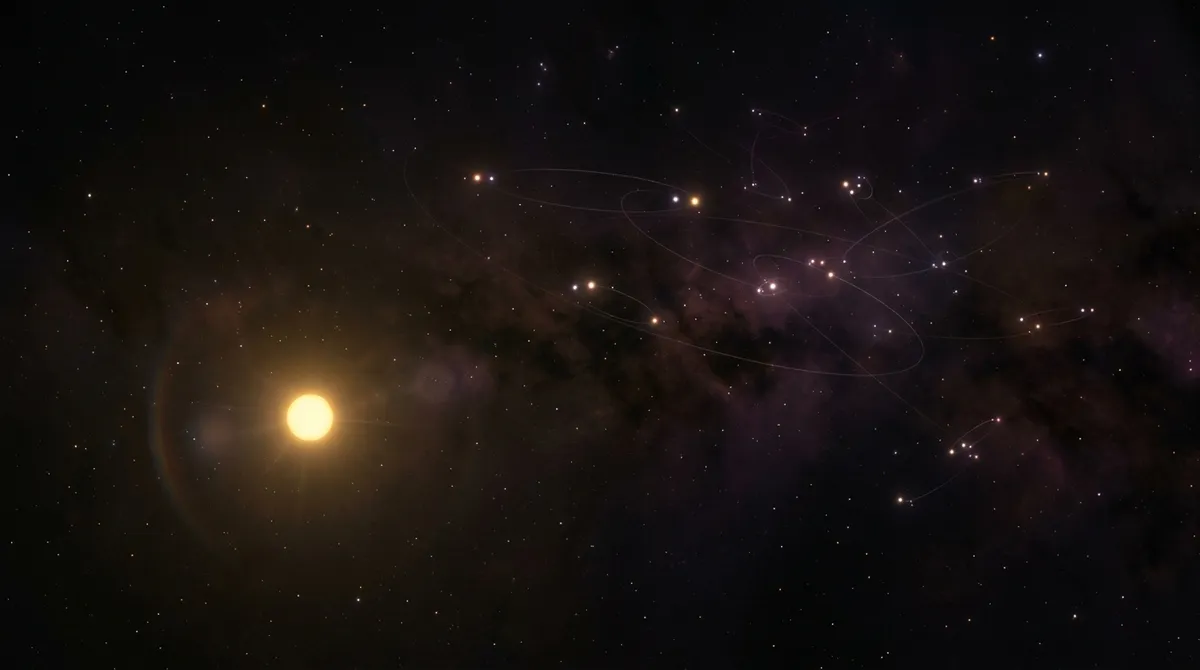
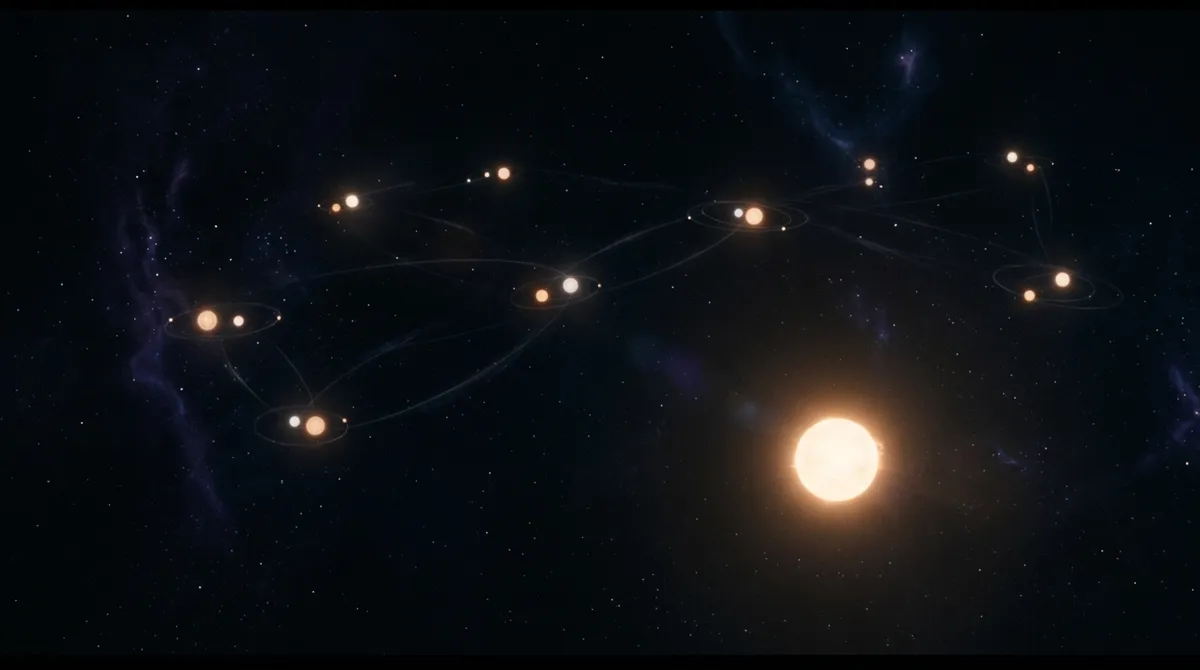
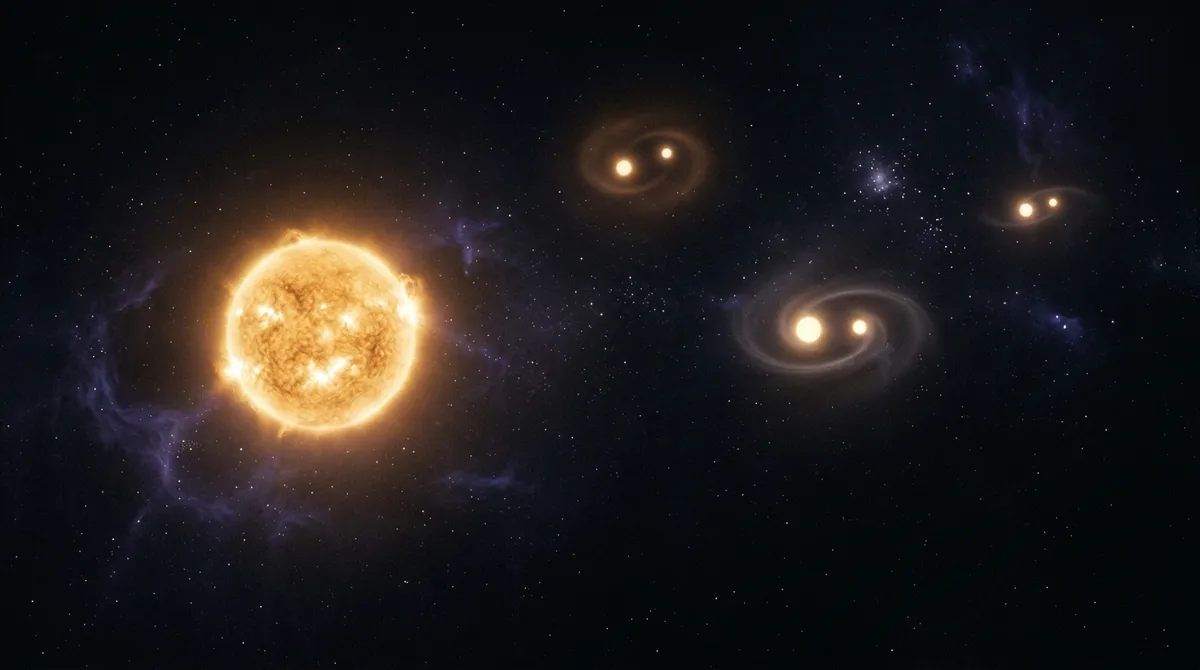
A revolutionary new study published on arXiv has delivered a startling revelation about our cosmic neighborhood: our solitary sun is actually the exception, not the rule. According to the comprehensive research, a near-complete census of multiple star systems within 10 parsecs has identified 424 stellar and sub-stellar objects forming 92 bound multi-star systems—painting a picture of a universe where stellar companionship is the norm.
Why Our Sun Is the Cosmic Oddball
The findings reveal a universe far more interconnected than previously understood. While our sun travels alone through the galaxy, the vast majority of its stellar neighbors are locked in gravitational embraces with companion stars. This census represents the most complete mapping of our local stellar environment to date, and the implications are staggering.
According to reports, the study reveals a clear pattern: higher-mass stars are far more likely to have companions, while low-mass red and brown dwarfs typically remain solitary. This suggests that stellar mass plays a crucial role in determining whether a star will spend eternity alone or bound to cosmic partners.
The Binary Star Sabotage Effect
The research carries profound implications for humanity's search for alien worlds. Next-generation exoplanet missions, including NASA's upcoming Habitable Worlds Observatory and ESA's LIFE mission, desperately need clean target lists to avoid squandering precious observation time on stars with hidden companions.
The problem is fundamental to planet hunting: binary stars can completely sabotage the search for Earth-like planets. When two stars orbit each other, their gravitational dance creates chaos that makes it nearly impossible to detect the subtle signals of orbiting planets. Without knowing which stars are truly single versus those locked in stellar partnerships, astronomers risk wasting years of telescope time on unsuitable targets.
Massive Stars Travel in Gravitational Packs
One of the most intriguing discoveries involves the social behavior of different stellar classes. According to the census data, massive stars exhibit a pronounced tendency to "travel in packs"—forming complex gravitational relationships with multiple companions. This behavior stands in stark contrast to their smaller cousins.
Tiny red and brown dwarf stars, representing the universe's most common stellar population, prefer cosmic solitude. These dim, long-lived objects typically wander the galaxy alone, making them potentially ideal targets for planet searches since their isolation eliminates the complications introduced by stellar companions.
Strange Reality of Million-Year Orbital Dances
Perhaps most mind-bending is the temporal scale of these stellar relationships. According to reports, some star pairs maintain their gravitational bonds while orbiting each other over periods spanning millions of years. These vast orbital periods challenge our understanding of cosmic stability and raise questions about how such systems maintain their cohesion across geological timescales.
The research reveals that within our 10-parsec neighborhood—roughly 32.6 light-years from Earth—stellar relationships exist on scales that dwarf anything in our solar system. While our planets complete their orbits in months or years, these stellar companions may take longer than human civilization has existed to complete a single orbit around each other.
Reshaping the Hunt for Alien Earths
This stellar census arrives at a critical moment in astronomy. As we prepare to launch the most sophisticated planet-hunting telescopes ever conceived, knowing which stars offer the best chances of harboring Earth-like worlds becomes essential. The research provides mission planners with the roadmap needed to focus on truly single stars where planetary detection remains feasible.
The implications extend beyond mere efficiency. By understanding which nearby stars are solitary like our sun versus those locked in stellar partnerships, astronomers can better predict where stable planetary systems might exist. After all, if our own Earth required a solitary stellar parent to develop complex life, perhaps other Earth-like worlds follow similar patterns.
The census transforms our cosmic perspective, revealing that our sun's lonely journey through space may be precisely what made our planet's evolution possible—and suggesting where we should look next in our search for cosmic neighbors.