TL;DR: The first major UFO sighting in American history changed public perception and remains relevant today as discussions about UAPs (Unidentified Aerial Phenomena) resurge. Let's explore the lasting impact of this extraordinary event from the late 1940s.
A Close Encounter of the Historic Kind
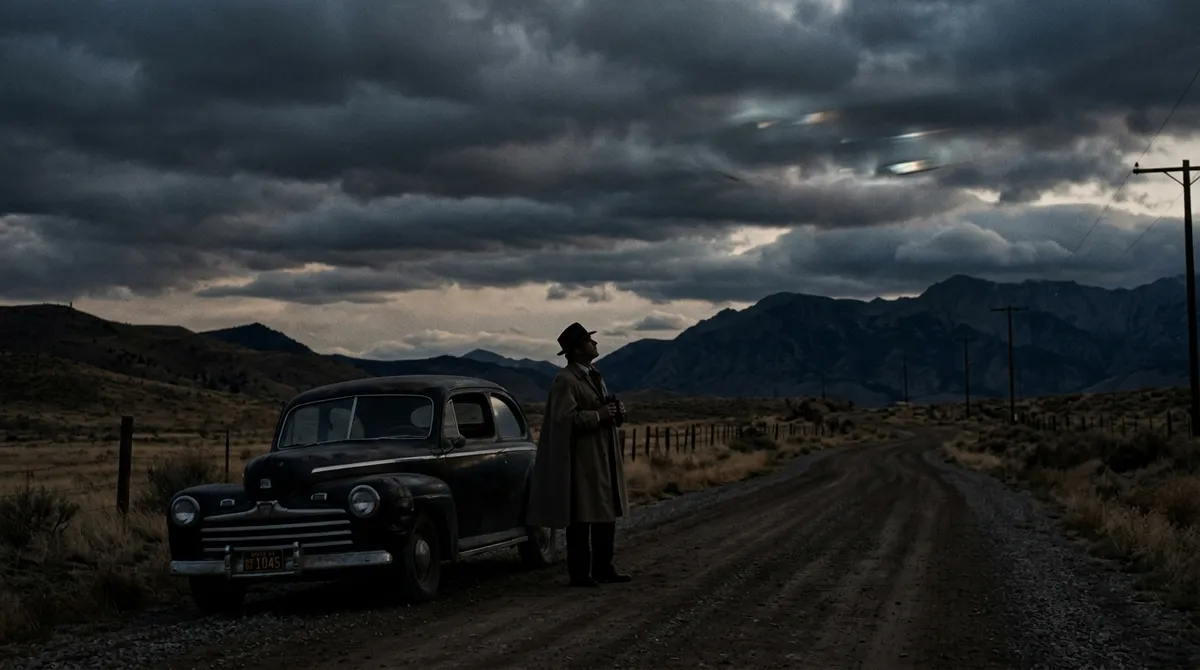
In the summer of 1947, a bizarre event took place that would forever alter the way Americans viewed the skies above them. It was the summer of rumors, anxiety, and speculation—an era marked by the Cold War and a burgeoning interest in the unexplained. The sighting, which occurred in Roswell, New Mexico, was set to become one of the most talked-about incidents in UFO lore, striking a balance between adventure and fear.
But what led to this momentous event, and how did public perception of UFOs evolve from then on? Let’s delve into the depths of this captivating phenomenon.
The Roswell Incident: What Went Down?
On July 8, 1947, the Roswell Army Air Field issued a press release claiming they had recovered a "flying disc" from a ranch in the area. This announcement sent shockwaves throughout the nation, tantalizing the public with the prospect of extraterrestrial life. However, just a day later, the U.S. military quickly retracted their statement, saying it was merely a weather balloon. This abrupt change escalated conspiracy theories, asking the question: what did the government really know?
Eyewitness Accounts and Their Credibility
Eyewitness testimonies from locals emerged, adding layers of complexity to the event. Among them was a charismatic rancher named Mack Brazel, who insisted that what he found on his property was unlike anything he had ever seen. Over the years, countless alleged witnesses have come forward with varying accounts, some claiming they saw alien bodies, while others described advanced technology unlike anything known at the time.
The central questions arise: How does one evaluate the credibility of these accounts? And why do some narratives persist despite significant skepticism?
Backlash and Buzz: The Cultural Impact
The 1947 incident had profound cultural implications that went far beyond Roswell. It birthed a new mythos surrounding UFOs in America, weaving these encounters into our national consciousness. Popular films, literature, and even government projects—like Project Blue Book—followed, each fueling the fire of public intrigue concerning the unknown.
Moreover, as the paranoia of the Cold War grew, UFOs became symbolic of the fears people held towards the “other,” whether that “other” was a foreign enemy or an alien civilization.
How This Shaped Future Sightings and Government Responses
The response—or lack thereof—from the government in the wake of the Roswell incident has fueled decades of speculation and skepticism. Many people began to believe that authorities were hiding the truth from the public, leading to a rise in grassroots UFO organizations and enthusiasts determined to uncover the real story.
This set a precarious precedent for future incidents. For example, the late 20th century saw several other high-profile sightings, oftentimes met with the same governmental reticence. The lack of transparency only intensified the belief that something extraordinary lay behind these unexplained phenomena.
The Resurgence of UFO Discussions Today
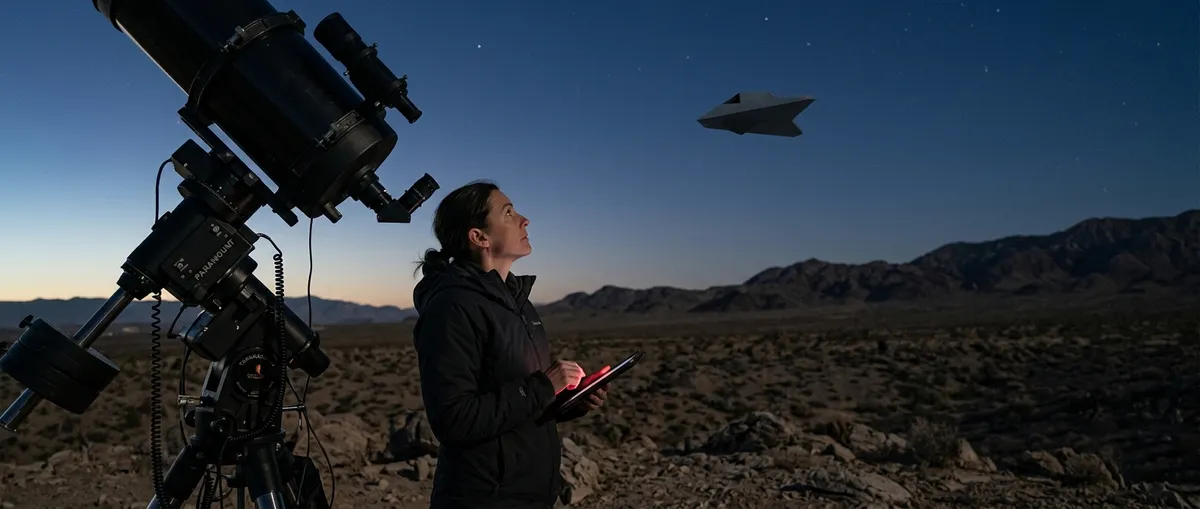
Fast forward to today, and we've seen a resurgence in the conversations surrounding UFOs—now rebranded as UAPs. Government disclosures have unveiled previously classified information, stirring both excitement and skepticism. The link between the Roswell incident and these modern reports offers a clear narrative thread that ties together our collective fascination with the unexplained.
Connecting the Dots: Then vs. Now
The parallels between the Roswell incident and today's encounters are striking. Both periods exhibit extreme public curiosity accompanied by governmental hesitation to fully disclose their findings. But there are critical differences: Today, technology allows for better documentation, new methodologies in debunking theories, and a more informed public willing to question the status quo.
Still, at the heart of it all remains the same human intrigue—the quest for answers, the desire to understand our place within the vast universe, and the lingering question: are we alone?
Conclusion: The Legacy of Roswell
The first major UFO sighting in American history continues to shape our understanding of not just extraterrestrial possibilities but also the very nature of belief and skepticism. As we stand at the edge of new discoveries and discussions, the legacy of Roswell serves as a foundational stone for what it means to gaze up at the stars—one part wonder, one part fear, and deep down, a hope for connection beyond our Earthly realm.
So, next time you hear shadows of unidentified objects or whispers of UAPs, remember that it might all be tracing back to that fateful summer in 1947, forever altering the course of human curiosity and exploration.