
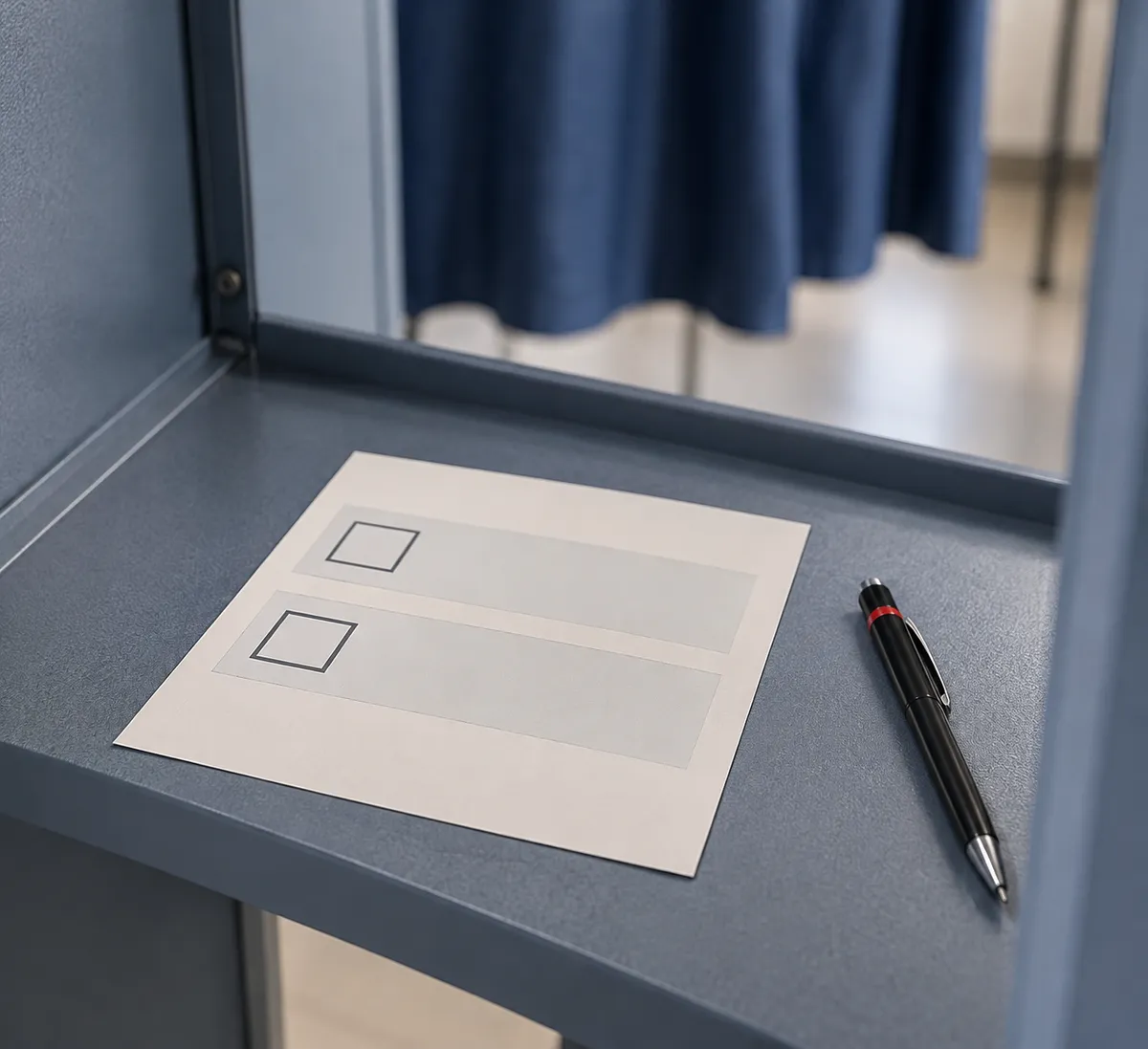
Some of the most consequential decisions in American government get made in rooms most people never look into. They are not secret. They are simply ignored.
This fall, one of those rooms has a vacancy-in-waiting. Montana House District 34 has two candidates on the general election ballot, according to the Terrytribune's "Meet the Candidate" series: incumbent Jerry Schillinger, a Republican, and Jasmine Erickson, a Democrat.
By the end of this piece, you'll know what is confirmed about the race, what isn't, and five specific questions to put to each candidate before you mark a ballot.
What We Know About the Race
The confirmed facts are short.
- The seat is Montana House District 34.
- The general election ballot lists two candidates.
- Jerry Schillinger is the Republican and the incumbent, meaning he currently holds the seat.
- Jasmine Erickson is the Democrat and the challenger.
That is the full record this report rests on. The Terrytribune's profile introduces Schillinger as part of a series meant to help voters get acquainted with the people on the ballot. Specific positions, voting history and biographical details are not covered here, and we won't guess at them. A candidate's stance is only worth citing when it comes from the candidate or the public record.
Why a Low-Profile Race Deserves a Closer Look
State legislative contests rarely draw the attention of a presidential race. But the work of a state House member reaches into daily life: taxes, education, land use and public services are the areas where local legislative races shape policy.
That is the hidden story of down-ballot politics. The power is real, the spotlight is thin, and in a two-person race, every vote carries more weight than it would in a crowded national contest. Few people can name their state representative. Fewer still can say how that person voted on the issues that touch their property bill or their kids' school.
The Incumbent Factor
Schillinger's status as the sitting representative changes the shape of the race in a practical way. An incumbent has a record: votes cast, bills supported or opposed, positions taken on the floor. A challenger has a platform: promises, priorities and a case for change.
Those are two different kinds of evidence, and a careful voter weighs them differently.
- For the incumbent, the question is what he did with the seat. You can check that against the public legislative record.
- For the challenger, the question is what Erickson would do differently, and whether the plan is specific enough to test.
Neither is automatically the better bet. The point is to ask the right question of each person.
Five Questions to Ask Before You Vote
The Terrytribune series exists to help voters meet the candidates. Here is how to get more out of that introduction. These questions are our suggestions, not claims about either candidate.
1. What will you do about taxes in this district?
Ask for a concrete answer. "Lower them" or "keep them fair" is a slogan. A real answer names what would change, who it affects and how it would be paid for.
2. What is your position on education funding?
Schools are one of the biggest line items state lawmakers influence. Ask each candidate where the money should go and what they'd want to see in local classrooms.
3. How should land use be handled here?
Land decisions affect homeowners, landowners, businesses and anyone who values open space. Ask where each candidate draws the line between private use and public interest.
4. Which public services would you protect first?
Every budget forces trade-offs. A candidate who can name a priority and explain why is showing you how they'd decide when money gets tight.
5. How will you stay in touch with this district?
A representative who answers only at election time is a different kind of representative from one who holds meetings and responds to constituents. Ask how each candidate plans to do it, then check whether the answer fits their record.
How to Verify What You Hear
Campaign claims are not evidence. A few habits will keep you grounded:
- Check the record. For the incumbent, look up how he voted rather than relying on how he describes his votes.
- Compare like with like. Judge both candidates on the same issues, not on whichever topics each one prefers to talk about.
- Separate promise from power. A single House member is one voice among many. Ask whether a promise is something one legislator can actually deliver.
- Read local reporting. Series like the Terrytribune's "Meet the Candidate" are a starting point, not the final word.
The Takeaway
The most overlooked piece of information in any election is the one printed right on the ballot. Before Election Day, look up both names, Jerry Schillinger and Jasmine Erickson, find what each has said and done on taxes, schools, land and services, and decide for yourself. A race this quiet gets decided by the people who bother to look.