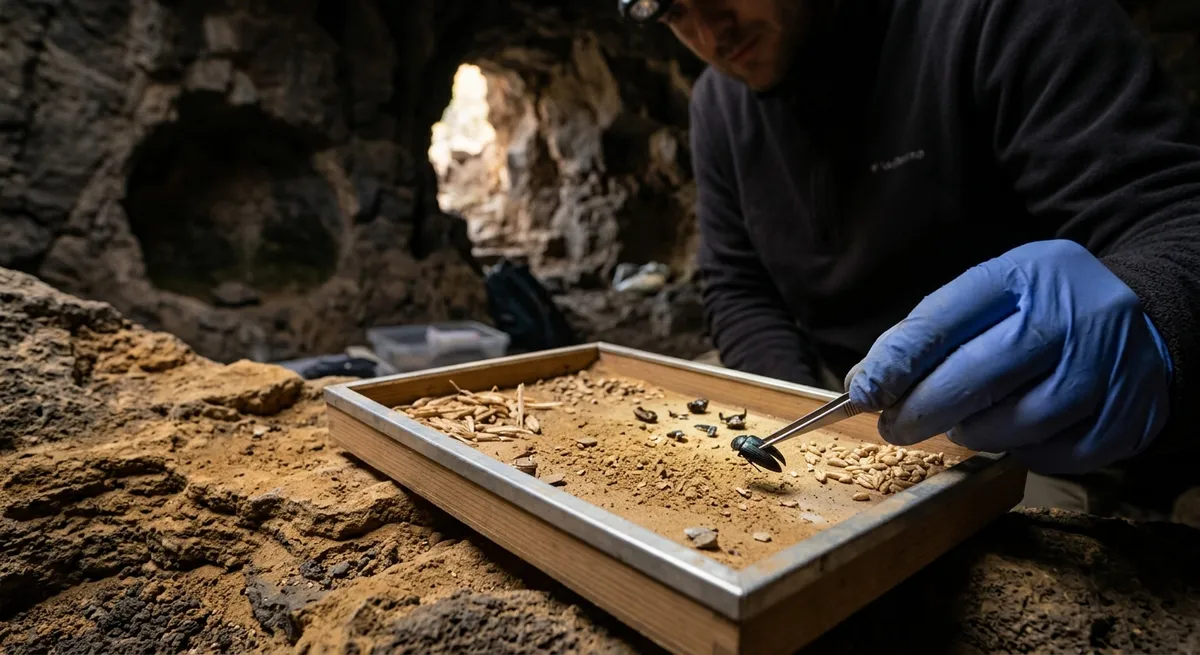
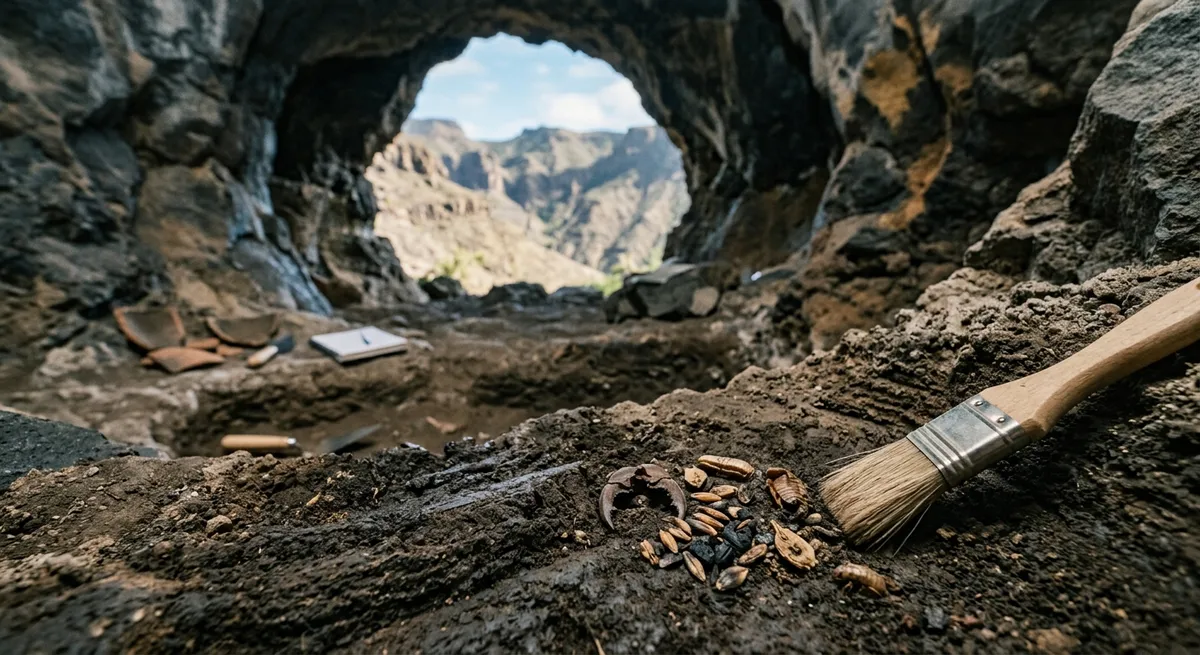
Archaeologists recently made an astonishing discovery that may reshape our understanding of Indigenous burial practices. By analyzing over 8,000 preserved insect remains from the Cruz de la Esquina cave in Gran Canaria, researchers uncovered surprising insights into the historical use of this site, which transitioned from a grain storage area to a burial cave for the island's Indigenous people. This revelation not only offers a glimpse into their customs but also challenges previous theories surrounding pre-burial decomposition.
The Significance of the Findings
The research highlights the importance of archaeoentomology, the study of ancient insects, as a vital tool for reconstructing cultural practices that have long been overlooked. As civilizations evolved and changed, many details surrounding death rituals faded from records, particularly in regions like the Canary Islands where much of the Indigenous history has been disrupted or lost following the Spanish conquest. This study shines a light into the darkened corridors of the past, revealing how ordinary insects can provide extraordinary insights into ancient life and death.
From Granary to Burial Site
The Cruz de la Esquina cave served as a granary before its transformation into a burial site. This duality underscores the adaptive nature of Indigenous cultural practices in response to their environment and lifestyle. Prior to this analysis, it was commonly believed that significant time elapsed between death and burial, allowing for a period of decomposition. However, the insect remains suggest that bodies were likely deposited shortly after death, which prompts us to rethink established narratives about their funeral customs.
Insects as Evidence
The researchers identified various insect species preserved in the cave that are indicative of both grain storage—a testament to the cave's initial purpose—and the environment surrounding the burial practices. The presence of these insects provides concrete evidence linking the site’s earlier utilization to its later function as a burial ground. This transformation marks a critical moment in understanding the lifecycle of cultural habitats on the Canary Islands.
Challenging Existing Narratives
The findings bring forth compelling questions about how we interpret archaeological evidence and the stories told by the remnants of past lifestyles. With ongoing debates in the realm of Indigenous archaeology, this study serves as a reminder of how significant insights can emerge from the smallest of clues—tiny insects revealing the vast tapestry of human history and the evolution of burial methods.
The Forgotten Histories of Indigenous Practices
Understanding these burial practices also enriches our knowledge of Indigenous life in the Canary Islands before the drastic changes brought about by the arrival of Spanish colonizers. Each insect that has been analyzed from Cruz de la Esquina supports the narrative of a people adapting their practices to the environment while adhering to traditions that honored the dead. This delicate balance of survival and respect for ancestral customs showcases the resilience of Indigenous cultures.
Conclusion: Tiny Clues, Big History
The story of the Cruz de la Esquina cave illustrates a powerful truth: significant historical revelations can emanate from the most unassuming evidence. As archaeoentomology progresses, we can anticipate a pioneering future in uncovering details that have remained hidden for centuries. The insects that once buzzed around the daily lives of Indigenous inhabitants now serve as portals into a world long gone, reminding us of the interconnectedness of life, death, and history. As you reflect on this fascinating intersection of entomology and archaeology, consider how even the smallest fragments can contribute vastly to our understanding of humanity's past.