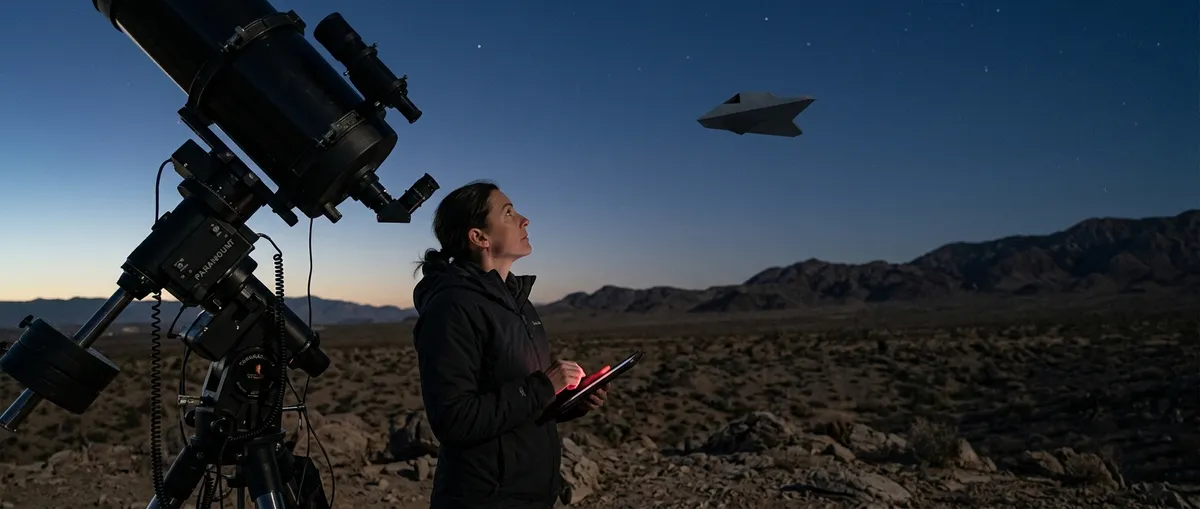
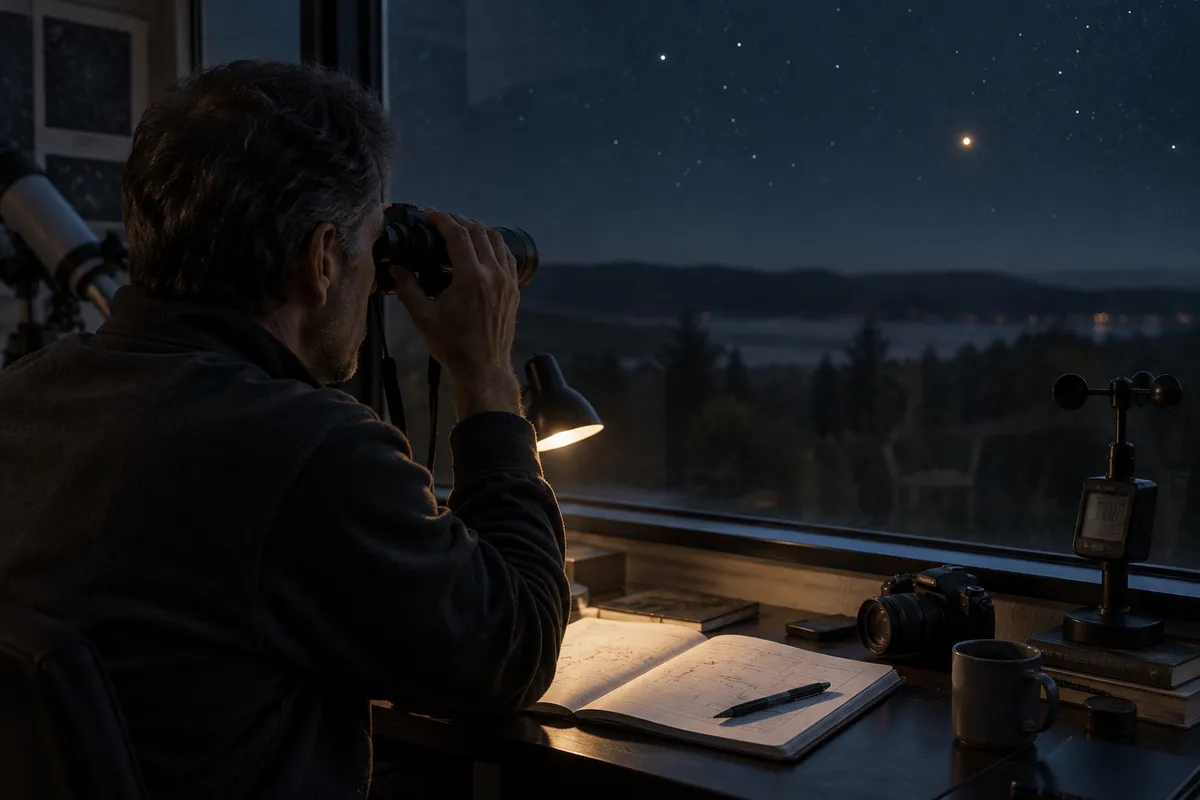
Some stories refuse to stay buried. A light in the sky, a strange object on military footage, a witness who will not change their account. Then silence. Then, a few years later, it all happens again.
A recent Yahoo report asks why UFO reports keep coming back, and suggests that some sightings are proving harder to dismiss as simple mistakes, hoaxes, or misidentified aircraft. This article takes one angle on that question: by the end, you will have a practical way to sort a credible unanswered question from a sensational claim.
Why the Sightings Won't Go Away
Per the Yahoo coverage, public interest has been renewed by government hearings, military footage, and growing pressure for transparency around unexplained aerial phenomena. That is a major shift. For decades the subject lived on the fringe, in late-night radio and grainy photographs. Now it sits at the crossroads of science, national security, conspiracy culture, and public trust.
That last part matters. When officials discuss these objects in formal settings, the story stops being only about what is in the sky. It becomes about what institutions know, what they have said, and what they may not have said. Secrecy is fuel. Every request for transparency implies something is being held back, and whether or not that is true, the implication keeps people looking up.
My read: the sightings return partly because the sky never changes, but mostly because the conversation around them has. Witnesses who once stayed quiet to avoid ridicule now have somewhere to go.
"Unexplained" Is Not the Same as "Alien"
This is the most important distinction in the whole subject, and the one most often blurred.
Unexplained means investigators lack enough information to identify what was seen. The data is thin, the sensor was limited, the angle was poor, or the record is incomplete.
Alien is a specific conclusion about origin. It needs positive evidence, not just the absence of an answer.
A sighting can be genuinely baffling and still have a mundane explanation nobody has found yet. Treating a gap in knowledge as proof of visitors from elsewhere is the leap that lets skeptics wave away the entire field. Keeping the two words separate is how you stay credible, and how you stay curious without being fooled.
From UFO to UAP: Why the Language Changed
The Yahoo piece points to how governments shifted their vocabulary from UFOs to UAPs, unexplained aerial phenomena. The change is not cosmetic. "UFO" carries decades of baggage: flying saucers, tabloids, jokes. "Phenomena" is broader and more clinical, covering things that may not be craft at all.
It is hard not to wonder whether the new term also makes the topic easier for officials and military personnel to discuss without career damage. That is analysis, not a reported fact. But the effect is visible: a subject once treated as a punchline is now handled as a question of airspace safety and national security.
What Makes a Sighting Easy to Dismiss
Use these filters before you get excited about any report:
- A single witness and no record. Memory is persuasive but unreliable.
- Blurry, low-resolution media with no context. Without time, location, and original files, there is nothing to test.
- Known aircraft behavior. The coverage notes that misidentified aircraft are a common explanation, so check flight paths first.
- A financial or attention motive. Hoaxes exist, and they poison the well for genuine cases.
- A jump straight to extraterrestrials. If the story skips the boring explanations, be wary.
What Makes a Sighting Harder to Dismiss
Per the reporting, the cases proving harder to wave away are the ones that resist the usual explanations of mistakes, hoaxes, and misidentified aircraft. In practical terms, look for:
- Multiple independent witnesses whose accounts agree.
- Trained observers, such as military personnel, whose job is identifying what flies.
- Instrument data or footage that can be examined, not just described.
- Official acknowledgment that a case exists and has not been resolved.
No single item makes a case airtight. But when several stack up, the honest response is not "aliens" and not "nonsense." It is "we do not know yet, and we should find out."
How to Read the Next Headline
The next time a sighting makes news, run a quick check:
- Who reported it, and are they named?
- Is there original data or just a retelling?
- Has anyone offered a mundane explanation, and does it hold up?
- Is the claim "unexplained" or "extraterrestrial"?
Four questions, thirty seconds. They will filter out most of the noise.
The Takeaway
The pull of these stories is real, and so is the pressure for answers. Do not settle for either easy belief or easy dismissal. When the next report surfaces, hold the question open, demand the evidence, and refuse to let "unexplained" quietly turn into a conclusion nobody has earned.