TL;DR
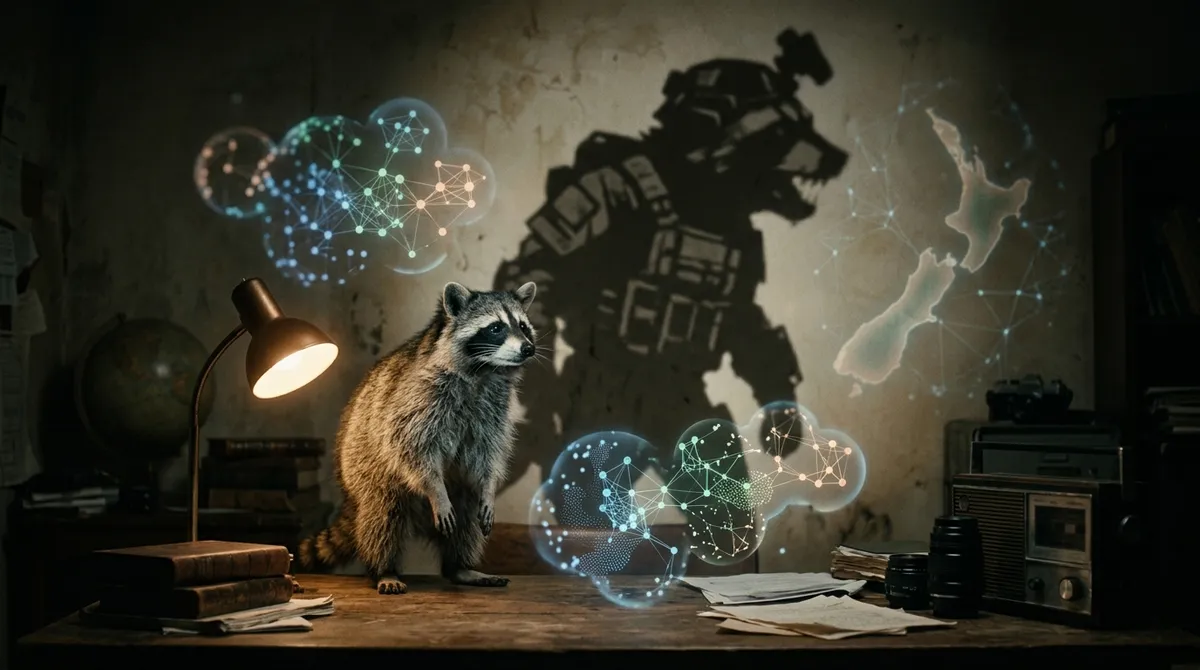
A strange conspiracy theory claims Canada is creating mutant super-raccoons for military purposes, with 300,000 New Zealanders believing in this bizarre idea. This article explores how such ridiculous beliefs form, spread, and persist.
The Rise of Wacky Conspiracy Theories
In these bizarre times, as science seems to unravel its mysteries, many cling to a different reality. Yes, you read that right—especially when we hear claims as absurd as Canada breeding an army of mutant super-raccoons. With approximately 300,000 people in New Zealand apparently buying into this idea, what’s going on? Let’s dive deep into the rabbit hole of conspiracies, where reason takes a backseat.
What Sparked This Peculiar Theory?
This eyebrow-raising narrative circulates amid a churn of misinformation and social media noise. Reports claim that Canada isn’t just preparing for future warfare with traditional arms but is allegedly turning to genetic modification to create super-raccoons. But where did this wild tale come from? Perhaps it sprouted from a satirical article or viral video that caught more attention than it deserved. Misinformation often wears a friendly mask, making it easy to mistake for credible news.
Why Do People Buy Into Absurdities?
The psychology of belief offers insight into our fascination with the unconventional. Humans are wired to look for patterns, even in chaos. In times of uncertainty, strange theories can provide a sense of control, allowing individuals to make sense of an incomprehensible world.
The Appeal of the Absurd
Sinking our teeth into something outlandish can be oddly comforting. It’s a shared experience, often reinforced by social circles. When the outrageous seems plausible, conflicting information becomes easier to ignore. In a world where real threats loom, grasping onto the bizarre creates a narrative we can engage with. Even if it's just a curious tale spun around a trending topic, it provides a kind of excitement in an otherwise mundane reality.
The Role of Social Media in Amplifying Claims
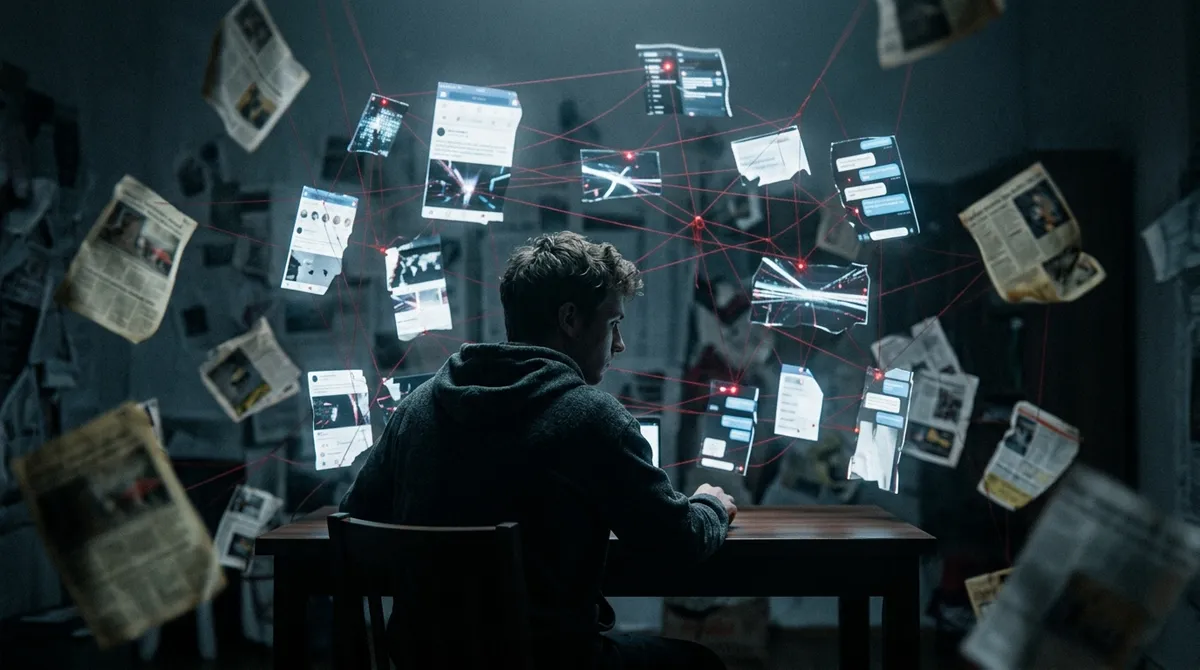
The internet fuels these unusual beliefs, primarily through social media platforms that prioritize engagement over accuracy. Algorithms favor posts that stir emotions or provoke curiosity. Result? Outlandish ideas are amplified, creating echo chambers.
Navigating Through the Noise
In these clickbait-laden virtual streets, discerning fact from fiction can feel like detective work without a magnifying glass. Readers must develop a critical eye, paying attention to sources, fact-checking claims, and questioning everything—especially when it sounds too good (or absurd) to be true.
The Intersection of Satire and Misinformation
In a world where satire is trending, lines between humor and truth blur significantly. Many people consume satire without recognizing its intended irony; therefore, it embeds itself as genuine information. When sensational headlines pop up regarding genetically engineered creatures, the laugh factor might hijack logical thought, leading to a perfect storm for conspiracy theory formation.
Understanding Generational Perspectives
Interestingly, the likelihood of believing in wild conspiracies can often skew along generational lines. Older generations might find solace in traditional narratives, while younger crowds—grew up in a digital space packed with memes and viral content—may be more prone to entertaining the ludicrous.
Spotting Misinformation: Fact-Checking Techniques
- Source Check: Look for credible sources. Is it coming from verified news outlets or someone’s personal blog?
- Cross-Reference: Validate claims across multiple platforms. If it’s true, it’ll surface in more than one reputable source.
- Ask the Experts: Experts in relevant fields can often clarify absurd claims—so seek them out!
Final Thoughts
As we navigate the ever-evolving landscape of conspiracy theories, the Canadian super-raccoon debacle is a humorous, albeit telling example of how misinformation can bloom in today’s society. Understanding the roots of these beliefs can help us safeguard against falling victim to them ourselves. The next time you stumble upon a bizarre claim, you might want to take a moment to think—and maybe chuckle—before jumping onboard the crazy train.
Engaging with these theories can be fun, but let’s not forget: reality often has stranger things than fiction. Beware the super-raccoons—you might just be trapped in an absurd garden of conspiracy, where every theory is a shrub waiting to bloom.