
TL;DR
Conspiracy theories lacking any real evidence can be particularly harmful as they thrive on misinterpretation, making them resistant to debunking. Understanding why they spread is crucial in today's misinformation age.
The Dangerous Allure of Baseless Conspiracies
In our current digital landscape, where misinformation spreads faster than wildfire, one question arises: what happens when conspiracy theories evolve into narratives that have no actual foundation? Believe it or not, these baseless conspiracy theories can often be the most dangerous of all. Without any real evidence behind them, they become nearly impossible to debunk, creating a relentless cycle of misinformation.
Why Do People Fall for Baseless Theories?
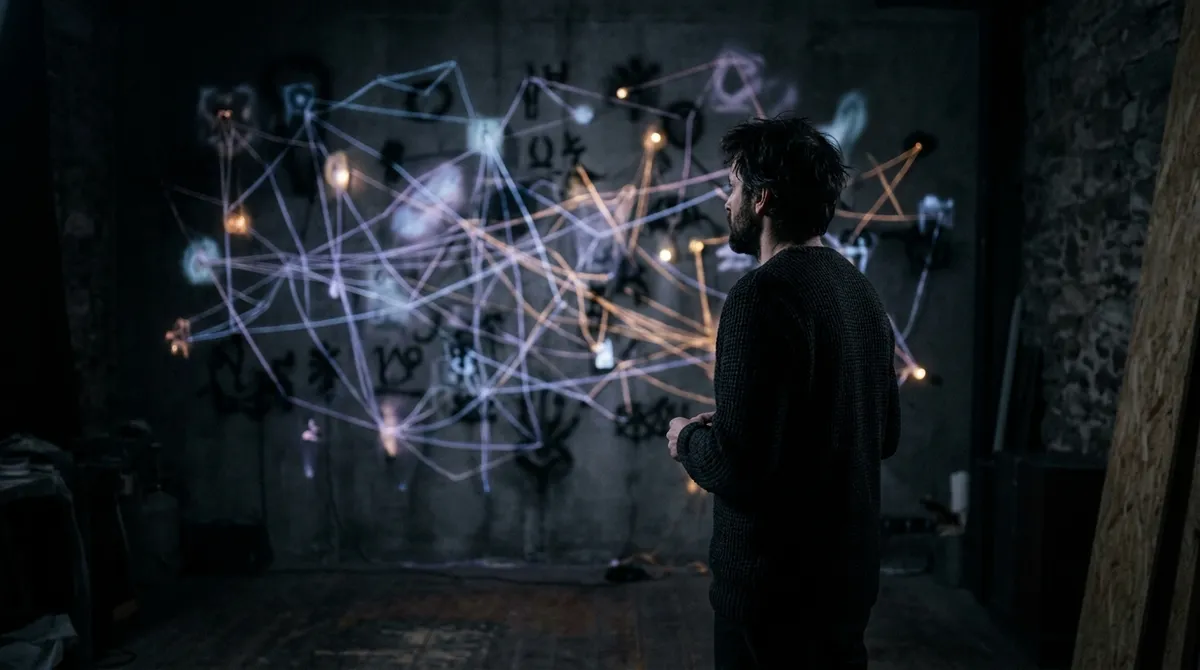
Human psychology plays a significant role in the propagation of these unfounded theories. One major factor is our inherent pattern-seeking nature. The mind is wired to identify connections and make sense of randomness, often jumping to conclusions where evidence is scant.
The Echo Chamber Effect
In today's social media-driven world, these theories can flourish. Algorithms designed to prioritize engagement amplify such narratives within echo chambers where like-minded individuals repeatedly confirm each other's beliefs. As a result, the lines between skepticism and conspiratorial thinking become increasingly blurred.
The Role of Misinformation
Why is the distinction between a genuine conspiracy and baseless theory so vital today? It’s simple: misinformation is at an all-time high. As social media platforms become primary news sources, false narratives can spread quickly—faster than fact-checkers can act. This rapid dissemination can lead to widespread believe in potentially dangerous ideas.
Case Studies of Enduring False Theories
Let’s take a look at a few notorious examples. One such case is the Pizzagate scandal—based entirely on unfounded allegations that a Washington D.C. pizzeria was the headquarters of a child trafficking ring. Despite its complete lack of evidence and eventual debunking, the theory gained traction, leading to real-world consequences, including a shooting incident. These occurrences underscore how damaging baseless conspiracy theories can be, particularly when they intertwine with real-life actions.
Tools for Critical Thinking
So how can we differentiate between genuine skepticism and dangerous conspiracy thinking? Here are some practical tools to enhance your critical thinking skills:
- Seek Out Reliable Sources: Don’t just click on any headline. Investigate the source of the information and verify its credibility.
- Look for Evidence: True conspiracy theories often have credible sources or witnesses. If evidence is lacking, or if the claims are based on speculation, proceed with caution.
- Be Wary of Emotional Appeals: Many baseless theories appeal to our emotions. If a claim makes you feel outraged or fearful, it’s essential to step back and examine it critically.
Conclusion: The Need for Awareness
The stakes are high in an age diluted by misinformation. Understanding the anatomy of a baseless conspiracy is not just about protecting ourselves from false narratives; it’s about fostering an informed society. By developing effective critical thinking skills, we can mitigate the spread of harmful theories and encourage a healthier discourse that values truth.
As we navigate this complex terrain of information, let’s adopt a mindset that prioritizes skepticism rooted in evidence over conspiratorial thinking—because the most dangerous kind of conspiracy theory is one without a conspiracy at all.